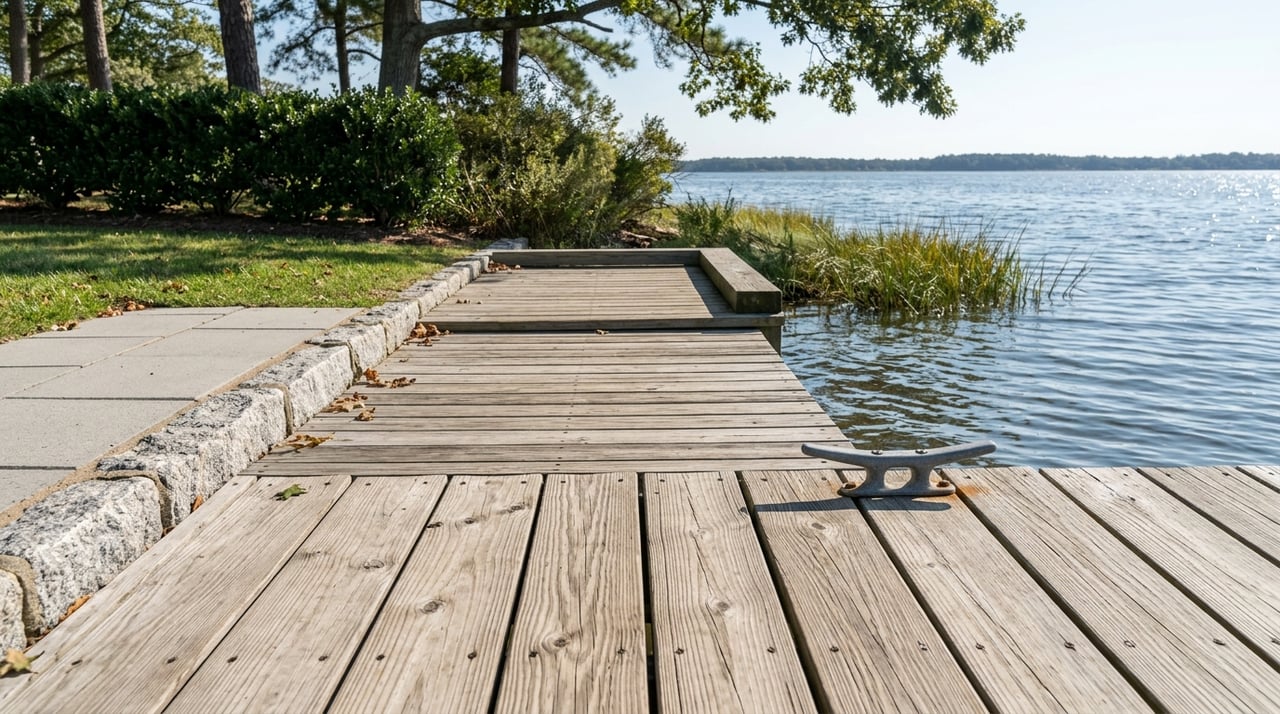
If you are searching in Arnold, the phrase “close to the water” can mean very different things. One home may give you direct shoreline, a private pier, and a front-row seat to the Severn or Magothy, while another may offer a beach, ramp, or marina through the neighborhood. Knowing the difference matters because it shapes your daily routine, your costs, and the kind of ownership experience you are signing up for. Let’s dive in.
Why the difference matters in Arnold
Arnold is a natural place to compare waterfront and water-access living. Anne Arundel County says the county has 533 miles of tidal shoreline, and Arnold buyers also have nearby public water access options like Jonas and Anne Catharine Green Park on the Severn River and Spriggs Farm Park on the Magothy River.
That setting gives you more than one way to enjoy the Chesapeake lifestyle. But it also means real estate terms can sound similar when they are not. In practice, the difference between owning the shoreline and sharing access to it affects privacy, maintenance, fees, and flexibility.
What “waterfront” means
In Anne Arundel County, a waterfront lot is defined as a lot that abuts the mean high-water line, or certain platted land owned by an HOA or the County that has the right to function as a waterfront lot through agreements or conveyances. For a buyer, the key idea is simple: true waterfront usually means the water is part of the home site itself.
That often includes a pier or dock tied directly to the lot, with access centered on that property rather than a neighborhood amenity system. If you want the shoreline experience to begin in your backyard, this is usually the category you are looking for.
What waterfront living feels like
Waterfront living is often more self-directed. You are not planning around community passes, ramp hours, or shared reservations in the same way you might in a water-access neighborhood.
That can create a strong sense of immediacy. Morning coffee by the water, keeping an eye on conditions from home, or walking down to your pier without loading the car can become part of your normal routine.
What to expect with a private pier
Anne Arundel County defines a residential pier as a private pier that is not associated with a marina, community, or government. County rules also state that only owners, occupants, recorded-agreement holders, or guests may dock there, and guest docking is limited to 30 days in a six-month period.
Those rules are important if you plan to host visiting boaters or want clarity on who can use the dock. They also highlight one of the biggest benefits of true waterfront: the pier is tied to the property, not to a shared neighborhood system.
What “water-access” means
Water-access, often called water-privileged in Arnold, usually means you do not own the shoreline lot itself. Instead, you share neighborhood amenities such as beaches, ramps, slips, docks, marinas, or storage areas.
This setup can be a great fit if you want water recreation without taking on full shoreline ownership. It can also open the door to enjoying the water at a different price point or with less direct property maintenance.
How shared access usually works
Shared-access communities are governed by their own rules and structures. Convenience may come with annual assessments, user fees, passes, guest rules, parking limits, launch rules, or reservation systems.
That is why two homes that both advertise “water access” may offer very different experiences. One neighborhood may make kayaking easy and casual, while another may offer a more structured marina or ramp system.
Arnold examples buyers often compare
In Arnold, several communities illustrate how varied water-access living can be:
- Arden on the Severn offers private beaches, boat ramps and docks, and watercraft storage racks. Access is managed through deed-mandated annual lot assessments, annual regulatory access user fees, and amenity passes. Vehicle passes and boat-ramp passes are tied to the vehicle or trailer, and beach reservations are available for qualifying residents.
- Shore Acres describes itself as a water-privileged community along the Magothy River with a private beach and boat ramp. Its community improvement association is voluntary.
- Twin Harbors states that membership is voluntary and not automatic with home ownership, and members receive access to beach and marina areas owned by the association.
These examples show why buyers should look past the label and ask exactly what transfers with the property.
Waterfront vs water-access at a glance
Here is the simplest way to think about it in Arnold:
| Feature | Waterfront | Water-Access |
|---|---|---|
| Shoreline ownership | Typically tied to the home site | Usually shared or separate from the home site |
| Daily convenience | Direct from your property | Depends on community setup |
| Use rules | Centered on the lot and county rules | Often includes community rules, fees, and passes |
| Maintenance | More direct responsibility | More shared, depending on the amenity |
| Lifestyle feel | Private and immediate | Shared and community-based |
Neither option is automatically better. The right fit depends on how often you want to be on the water and how much responsibility you want to take on.
The maintenance side of waterfront ownership
This is where the choice becomes very real. Anne Arundel County’s waterfront homeowners guide says shoreline owners need to think about erosion, buffers, stormwater runoff, and septic upkeep.
The county also notes that some waterfront homes use septic while others have public sanitary sewer. If you are comparing homes, that detail can affect both maintenance planning and long-term comfort with the property.
Shoreline improvements matter
Ask what shoreline systems are already in place. A property may include a bulkhead, riprap, living shoreline, pier, or boat lift, and those features can affect future work, permits, and contractor needs.
Maryland DNR says living shorelines are preferred for most private shoreline owners because they trap sediment, filter pollutants, and support habitat. That does not mean every property has one, but it is an important feature to understand if shoreline work is part of your long-term plan.
Waterfront projects can be more involved
The county’s waterfront homeowners guide notes that Maryland wetlands rules cover projects in tidal wetlands, including piers, bulkheads, revetments, and living shorelines. It also says most waterfront projects need a licensed marine contractor.
For buyers, that means a waterfront home is not only about views and access. It is also about understanding the systems that protect the shoreline and what it takes to maintain them.
Flood planning should be part of your search
Anne Arundel County says flooding is its most common natural hazard, and the county is vulnerable to relative sea level rise. That makes flood planning an everyday buying issue, not just a paperwork detail.
The county’s flood-disclosure guidance recommends asking about flood insurance, drainage, basement or crawlspace moisture, and local flood risk factors before buying. Whether you are considering direct waterfront or a nearby water-access home, these questions can help you compare properties more clearly.
Public access as a backup option
Even if you buy in a water-access community, you may still use public launch points from time to time. Arnold has nearby examples, but they come with practical limits that are worth knowing in advance.
Spriggs Farm Park has a gated cartop launch on the Magothy River with a steep carry of about 150 yards. Jonas and Anne Catharine Green Park on the Severn River offers a sandy cartop launch and a 288-foot fishing pier.
County cartop launch sites are for canoes and kayaks, and the county states that none of these sites has a ramp for trailered boats. Rules also prohibit trailers, camping, alcohol, fires, swimming, and overnight parking.
That means public access can be a nice supplement, but it is not the same as owning a pier or having a neighborhood boat ramp.
Questions to ask before you buy
If you are trying to narrow your wish list, these questions can quickly clarify which category fits your lifestyle:
Is the access private, shared, or public?
Ask whether the home is a true waterfront lot, whether access comes through an HOA or recorded agreement, or whether the property simply benefits from nearby public access. This is one of the fastest ways to separate direct ownership from shared-use living.
What transfers at closing?
Ask for specifics. You will want to know whether dock use, ramp access, slips, mooring rights, kayak storage, vehicle passes, guest passes, or reservation privileges transfer with the property, and whether annual assessments or user fees apply.
Who can use the pier or launch?
Usage rules can shape the lifestyle more than buyers expect. County rules for private piers limit docking to owners, occupants, recorded-agreement holders, or guests, with guest use capped at 30 days in a six-month period.
What shoreline systems are already there?
If you are considering waterfront, ask whether the property has a living shoreline, bulkhead, riprap, pier, or lift. These features affect maintenance, future improvements, and how hands-on ownership may feel over time.
Is the home on sewer or septic?
The county notes that some waterfront homes use septic and others public sewer. That can be an important part of your planning, especially if you are balancing lifestyle goals with long-term upkeep.
What is the flood and drainage history?
Ask about flood insurance, drainage, and any history of basement or crawlspace moisture. These are practical questions that can help you compare two otherwise similar homes more confidently.
Which lifestyle is the better fit?
If you want the water to be part of your property every day, true waterfront may be the clearest match. It often offers the most direct access and the most control over how you use the shoreline, within county rules.
If you want to enjoy beaches, boating, or launches without owning the shoreline itself, a water-access community may be the better fit. You may trade some flexibility for shared amenities and a different maintenance profile.
In Arnold, both options can deliver a strong Chesapeake Bay lifestyle. The best choice comes down to how often you want to use the water, how private you want the experience to feel, and how comfortable you are with the responsibilities that come with it.
If you are weighing waterfront against water-access in Arnold, Erica Baker, LLC can help you compare properties with a clear eye on lifestyle, ownership details, and long-term value.
FAQs
What does waterfront mean for a home in Arnold?
- In Anne Arundel County, a waterfront lot generally means the lot abuts the mean high-water line, so the water is part of the home site itself.
What does water-access mean in an Arnold community?
- Water-access usually means you share amenities like beaches, ramps, docks, slips, or storage areas through a neighborhood or association instead of owning the shoreline lot.
What should buyers ask about private piers in Arnold?
- Ask who can dock there, whether the pier is tied to the property, and whether guest use is limited under county rules.
What fees can come with water-access communities in Arnold?
- Depending on the community, you may see annual assessments, user fees, amenity passes, vehicle or trailer pass rules, and reservation systems.
What flood questions should buyers ask for Arnold waterfront homes?
- Ask about flood insurance, drainage, basement or crawlspace moisture, and any known local flood risk factors before you buy.
What public launch options are near Arnold?
- Nearby examples include Spriggs Farm Park on the Magothy River and Jonas and Anne Catharine Green Park on the Severn River, both of which offer cartop access rather than trailer boat ramps.