Thinking about life on Kent Island and trying to decide if an HOA or non‑HOA home fits you best? You are not alone. Between waterfront neighborhoods with marinas and quiet streets near downtown Stevensville, your choice affects daily routines, costs, and long‑term flexibility. In this guide, you will learn how HOAs work here, what non‑HOA living really means, the tradeoffs to consider, and how to verify the details before you buy. Let’s dive in.
Stevensville at a glance
Stevensville offers a mix of planned subdivisions, waterfront communities with docks and shoreline infrastructure, the historic village area with older homes, and semi‑rural parcels on the edges of the island. Many waterfront and newer planned areas are in HOAs because they share amenities and maintain common systems. Older downtown streets and some rural properties are often non‑HOA.
Flood risk, shoreline conditions, and county permitting matter across the island. Queen Anne’s County codes, FEMA flood zones, and state environmental rules can shape what you can build and how you insure the property, whether or not there is an HOA.
How HOAs work on Kent Island
What an HOA typically controls
- Architectural standards for exteriors, additions, and landscaping
- Parking, vehicle, and pet rules
- Rental and short‑term rental limits
- Use of common amenities like pools, clubhouses, marinas, docks, and playgrounds
- Community governance through an elected board and regular meetings
Costs you should plan for
- Regular dues that fund operations and maintenance
- A reserve fund for future capital projects like paving, roofs, pools, bulkheads, and docks
- Special assessments if reserves fall short or unexpected issues arise
- Insurance on common areas, while you still carry your own homeowner policy
Lenders may factor dues into your qualifying ratios. For single‑family homes, you will not need condo approvals, but dues and assessments still matter for underwriting.
Documents to review before you buy
Request these items early and read them closely:
- CC&Rs, bylaws, and rules and regulations
- Current budget and most recent financials
- Reserve study or capital plan
- Recent board and membership meeting minutes
- HOA insurance policies for common areas
- List of any violations, pending litigation, or special assessments
- Contact information for the HOA and the management company, if any
- Seller’s resale or HOA disclosure package
- Any rental or short‑term rental restrictions
Pros and cons at a glance
HOA advantages
- Managed maintenance for common areas, and sometimes exterior services
- Access to amenities such as pools, clubhouses, marinas, playgrounds, and gates
- Consistent standards that support neighborhood appearance
- Potential savings from group contracts for services
HOA drawbacks
- Ongoing dues and the risk of special assessments
- Rules that limit exterior changes, parking, rentals, landscaping, and more
- Governance quality varies, so transparency and management matter
- Financial exposure if reserves are low or major repairs arise, especially along the shoreline
Non‑HOA advantages
- More flexibility for exterior updates and property use, subject to county codes
- No mandatory HOA dues
- Simpler governance with fewer community rules
Non‑HOA drawbacks
- You are responsible for all maintenance, including docks, driveways, and snow removal
- No shared amenities on site
- Neighboring homes may vary in upkeep and appearance
- Some areas still have private covenants recorded with the deed, so you must confirm
Neighborhood profiles in Stevensville
Waterfront communities with docks or marina access
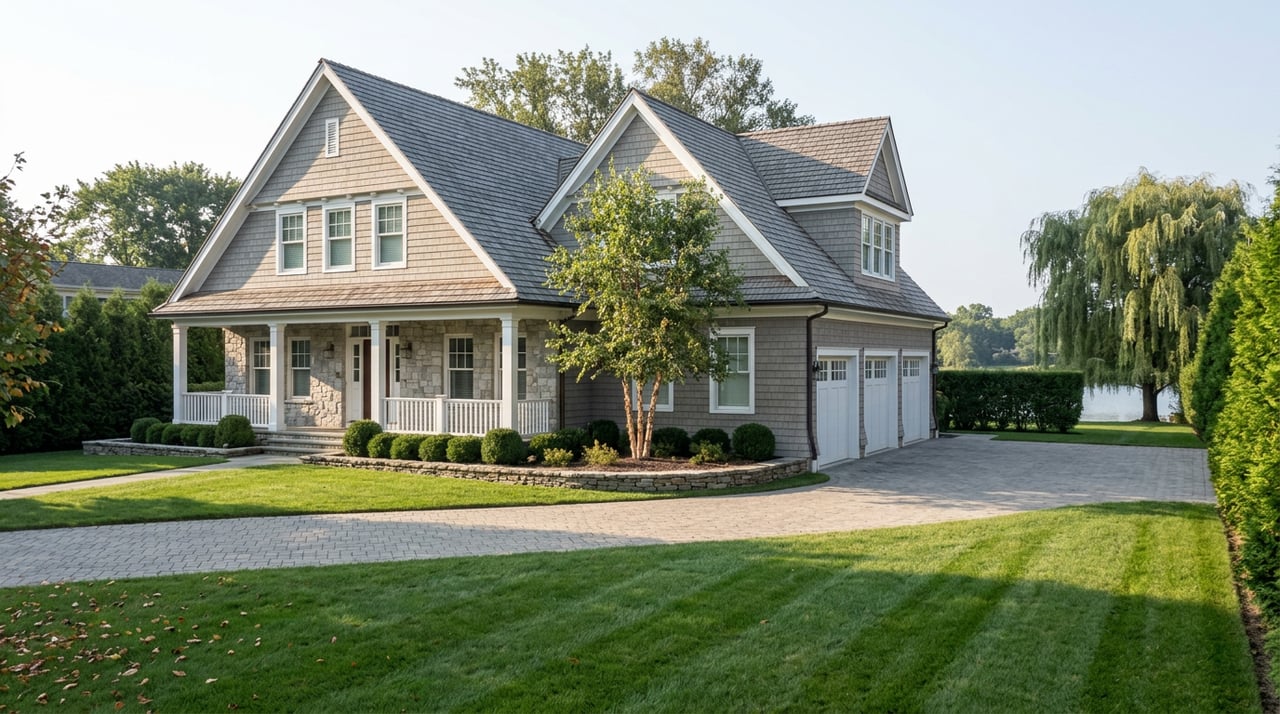
These are often in HOAs that manage shared docks, piers, bulkheads, and shoreline protection. You may enjoy coordinated maintenance, boating access, and curated amenities. Dues can be higher, and special assessments are possible if seawalls or docks need major work. Rules can be stricter about boat storage and exterior changes.
Checklist:
- Ask how dock rights are structured and who owns or leases slips
- Review bulkhead repair history, maintenance schedules, and insurance
- Confirm emergency plans for storms and flooding
- Check reserve funding for shoreline systems and marinas
Newer planned subdivisions
These neighborhoods often include modern amenities, sidewalks, and uniform construction. Many maintain strong standards and plan for reserves. Younger HOAs can face growing pains or limited reserves, especially during the transition from developer control to owner leadership.
Checklist:
- Request developer transition documents and timelines
- Review reserve funding status and capital plans
- Confirm any pending or recent assessments and the purpose
Historic downtown Stevensville and walkable streets
Older homes near shops and services are often non‑HOA. You may enjoy character, shorter walks, and flexible exterior choices compared to planned communities. Remember that older structures may need more maintenance, and municipal or historic district rules can still apply.
Checklist:
- Review local rules on exterior changes and parking
- Inspect utilities, foundations, and sewer laterals
- Budget for age‑related updates
Rural edge parcels and larger lots
These properties are commonly non‑HOA and appeal to buyers who value privacy and room for outbuildings. You may encounter septic systems, private roads, and fewer municipal services. You gain freedom but shoulder more responsibility.
Checklist:
- Verify septic versus sewer and the condition of systems
- Confirm private road ownership and maintenance
- Check setbacks, agricultural allowances, and any environmental restrictions
Flood, shoreline, and insurance factors
Kent Island is low‑lying and parts of Queen Anne’s County fall within FEMA flood zones. Whether you buy in an HOA or not, confirm the property’s flood zone, elevation data, and insurance needs. For waterfront HOAs, understand how the community handles bulkheads, docks, shoreline stabilization, and insurance on those shared elements. For non‑HOA waterfront homes, plan for individual inspections of pilings, piers, and erosion control.
A targeted inspection is essential for waterfront properties. Ask about recent repairs, permits, and any upcoming capital projects that could affect costs.
Step‑by‑step due diligence
- Before you write an offer
- Ask the listing agent for the resale or HOA disclosure package
- For non‑HOA homes, request any recorded covenants or deed restrictions
- Have your lender include HOA dues in your qualifying analysis
- Order a preliminary title report to check for liens or HOA balances
- Inspection and verification
- Schedule a full home inspection and add a focused review for docks, bulkheads, or pilings if applicable
- For septic systems, get an inspection and service history
- Confirm flood zone status and discuss insurance with your lender and insurer
- Document review
- Read CC&Rs, bylaws, rules, budgets, and reserve study details
- Review recent meeting minutes for signs of disputes, deferred maintenance, or assessments
- Confirm master insurance coverage and what you must insure on your own
- Local contacts and records
- Queen Anne’s County Planning and Zoning and the Recorder of Deeds for property records, covenants, plats, and zoning
- FEMA’s flood maps and your local floodplain administrator for elevation data
- Maryland Department of the Environment and Department of Natural Resources for shoreline permitting guidance
- If needed, consult a Maryland real estate attorney for CC&R and enforcement questions
Red flags to watch
- No current reserve study paired with recent or frequent special assessments
- Large or ongoing litigation involving the HOA
- Rapid dues increases without a clear capital plan
- Rules that conflict with your intended use, like rentals or exterior changes
- On the waterfront, unclear dock ownership or deferred bulkhead repairs
How to choose: your lifestyle checklist
Start with how you want to live week to week and what you are comfortable managing.
- Do you want turnkey exterior maintenance, or do you prefer to handle it yourself?
- Are amenities like a pool, clubhouse, or marina core to your lifestyle?
- Is a consistent neighborhood look important to you?
- Do you plan to rent the property, and if so, how often?
- What is your comfort level with dues and the possibility of assessments?
- Are you willing to join a board or attend meetings to influence community decisions?
- Is the home in a flood zone, and how will that shape maintenance and insurance?
If you want predictable standards, amenities, and less hands‑on maintenance, an HOA community may feel right. If you value flexibility, lower mandatory monthly costs, and independence, a non‑HOA home can be a great fit. On Kent Island, flood, shoreline, and permitting considerations should be part of either choice.
Ready to compare homes?
If you are weighing marina access against yard freedom, or dues against long‑term maintenance, you are on the right track. The next step is to line up the facts and walk a few neighborhoods so you can feel the lifestyle difference. If you want a refined, local perspective that blends market insight with practical renovation advice, connect with Erica Baker. What’s Your Property Worth?
FAQs
What does an HOA in Stevensville typically regulate?
- Most HOAs set rules for exterior changes, landscaping, parking, pets, rentals, and use of common amenities through CC&Rs, bylaws, and published regulations.
How do HOA dues and assessments work on Kent Island?
- Dues fund operations and reserves, and special assessments may occur for major projects like paving, pool repairs, or shoreline and dock work if reserves are not sufficient.
Are non‑HOA properties in Stevensville totally unrestricted?
- Not always, since county codes still apply and some non‑HOA areas have recorded deed covenants that limit certain uses or exterior changes.
Can HOA rules affect my mortgage approval?
- Lenders consider dues in your debt ratios, and for some property types there may be program rules, so factor dues and any assessments into your loan planning early.
How can I spot a well‑run HOA before I buy?
- Look for current reserve studies, clear financials, regular meetings with accessible minutes, responsive management, and minimal unresolved violations or litigation.
What should waterfront buyers verify in an HOA community?
- Confirm dock ownership or lease terms, maintenance schedules, recent bulkhead repairs, reserve funding for shoreline systems, and community insurance on shared structures.