A buyer scrolling Kent Island listings this month will run into two numbers that seem to argue with each other. The median sale price in Stevensville, over the three months ending in May 2026, came in at $540,000, up 6.0 percent from the same period a year earlier. In the same window, the median price per square foot actually fell, down 6.9 percent year over year to $269. One number says homes are worth more. The other says, per square foot, they're worth less. Both are true. The gap between them is the actual story, and it changes how a buyer should read everything else about this market, including the bridge that gets blamed for half of it.
Two Numbers, One Market, No Agreement
A rising median with a falling price-per-square-foot usually means one thing: the mix of what's selling has shifted, not the value of what's already there. Bigger houses are moving. Smaller ones are sitting. When larger homes make up a bigger share of the month's closings, the median climbs even if no individual house appreciated at all.
Days on market backs this up. Homes in Stevensville are now taking 57 days to sell, compared to 36 days a year ago. That's not a market accelerating. That's a market where buyers have more room to look, more room to negotiate, and less pressure to act on the first showing. Fifty-two homes sold in Stevensville in May 2026, up from 28 the year before, so more transactions are closing. They're just closing slower, and increasingly on larger, higher-priced product rather than across the board.
Put those three facts together and the headline "Kent Island prices are up 6 percent" stops meaning what it sounds like. It doesn't mean your $400,000 rancher near Kent Island Estates gained six percent. It means the mix of homes moving through the market got bigger and pricier, while the pace of any individual sale slowed down. That's a very different thing to plan a purchase or a listing around.
Why the Mix Is Shifting
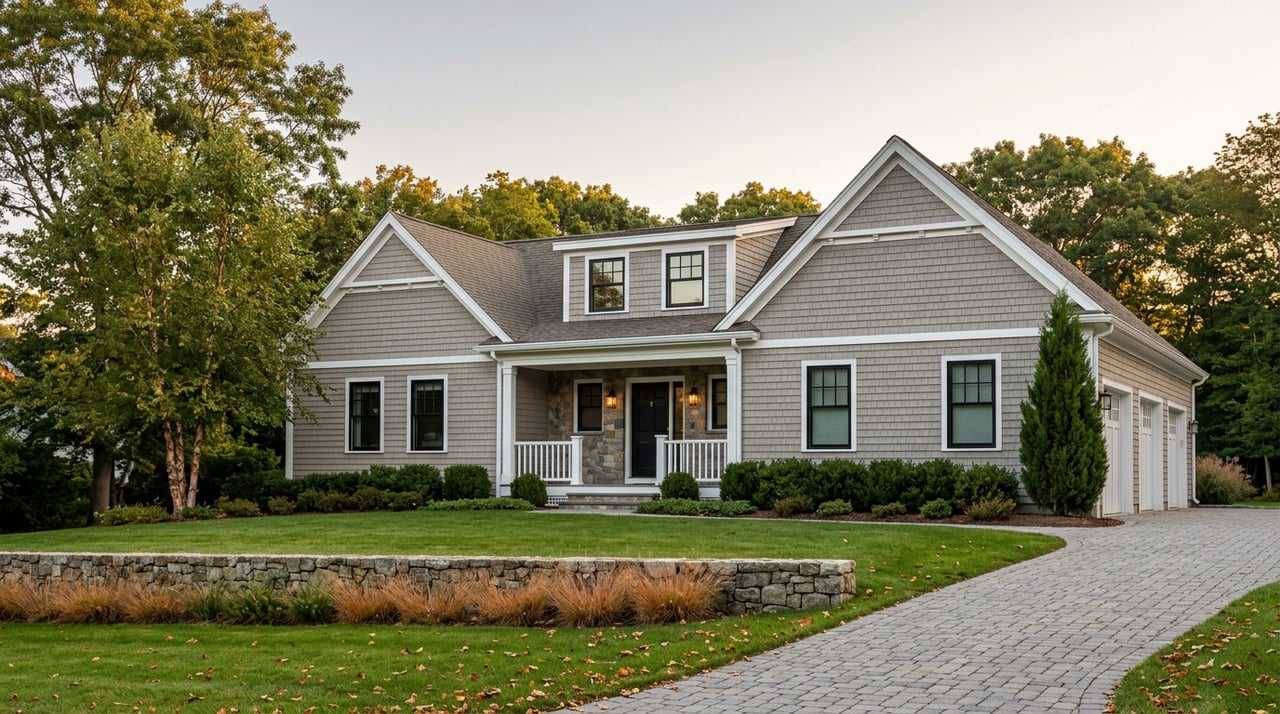
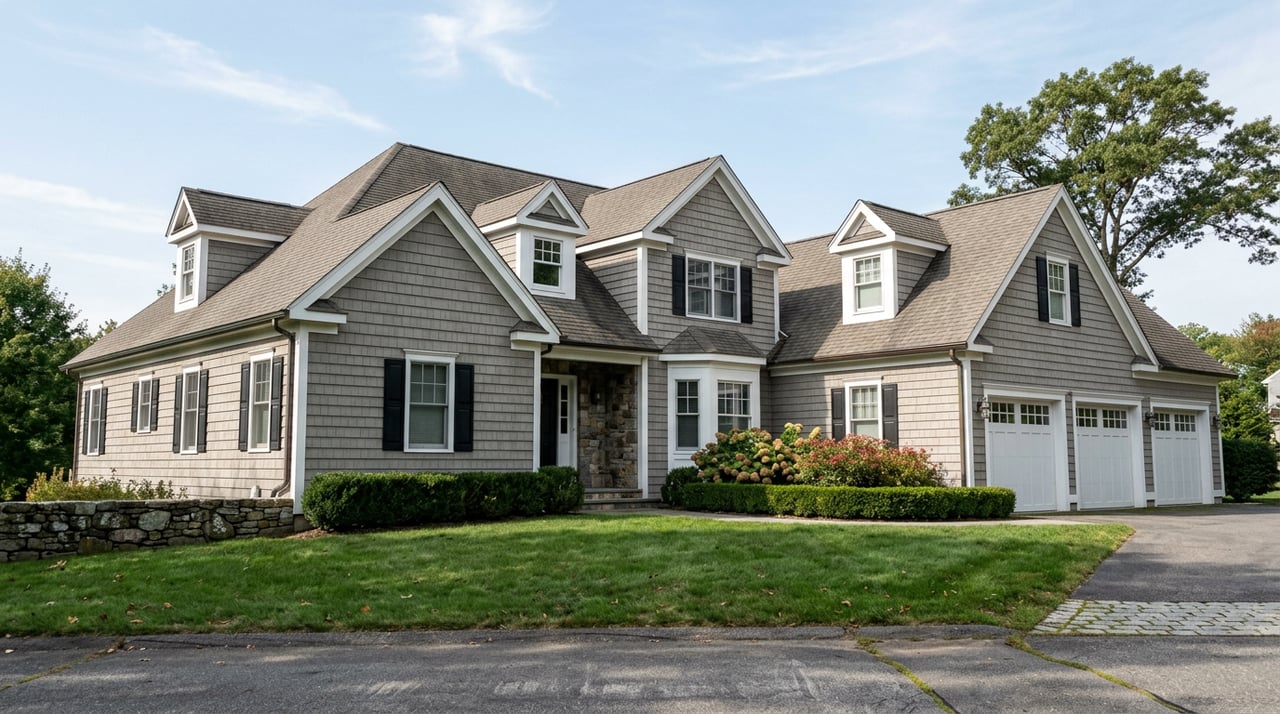
Kent Island's active inventory right now spans a wide range, from move-in-ready starter homes under new construction in communities like Chesapeake Estates, to established neighborhoods like Cloverfields and Ellendale where renovated colonials and townhomes trade regularly, to age-restricted product like the K. Hovnanian Four Seasons community aimed at 55-plus buyers on the Chester River side of the island. When larger, amenity-heavy homes in these communities close in a given month, they pull the median up without telling you anything about what a comparable starter home is doing.
This matters most for sellers pricing off a Zillow-style estimate or a neighbor's recent sale. If your neighbor's larger home on a double lot near Prices Creek closed high, that doesn't mean your smaller Cloverfields colonial commands the same premium. The per-square-foot number is the more honest yardstick right now, and it's telling a cooler story than the median suggests.
The Bridge Everyone Is Waiting For
Ask any Kent Island buyer what worries them and the answer usually isn't the house. It's the bridge. And the timeline on that fix is longer than most buyers assume.
The Maryland Transportation Authority's board voted in December 2025 to move forward with "Alternative C," a plan to replace the current twin spans with two new four-lane bridges, each with full shoulders, at an estimated cost between $14.8 billion and $17.6 billion. That approval was a real step, but it was a planning step. A combined Final Environmental Impact Statement and Record of Decision isn't expected until November 2026. Final design doesn't start until spring 2028. Construction, according to state officials, won't begin before summer 2032 at the earliest, and that's if funding falls into place on schedule.
So a buyer weighing Kent Island against the Annapolis side today isn't choosing between "traffic now" and "relief soon." They're choosing between traffic now and traffic for at least another six years before a shovel goes in the ground, with years of construction after that.
The Part That Rarely Makes It Into the Pitch
Here's the detail that changes the calculus further. Even with the new spans built, state officials have projected a 22 percent increase in bridge traffic flow by 2040. The new bridge isn't designed to erase congestion. It's designed to keep pace with it. That's not a knock on the project. It's simply a reason not to buy on Kent Island partly on the theory that a wider bridge means an easier commute in ten years. The state's own modeling suggests the traffic grows into the new capacity rather than disappearing into it.
Residents who lived through the public hearings on the replacement plan said as much in their own words. One Stevensville resident, testifying at a hearing on the state's preferred route, put it bluntly: on weekends, she said, "you're like a slave to your house." That's the lived experience behind the numbers, not a criticism of anyone's decision to live there, just a fact worth knowing before you make the same one.
What Actually Changes in the Summer
The traffic friction on Kent Island isn't constant. It has a season, and Queen Anne's County has an official plan for managing it. The county's Beach to Bridge Traffic Management Plan is built to keep bay-bound beach traffic on Route 50 and off local streets in Grasonville and on Kent Island, specifically because apps like Waze reroute weekend beach travelers through neighborhood roads once Route 50 backs up. When that plan is working, residents get their side streets back. When it isn't, back roads clog along with the highway.
That's the texture buyers rarely get from a listing sheet: the commute into Annapolis or Baltimore during a random Tuesday in October is a different experience than the same drive on a July Saturday when beach traffic is being actively managed around your neighborhood. Anyone touring homes on Kent Island in the summer is seeing the market at its most stressed. Anyone touring in the fall or winter is seeing something closer to daily reality.
What This Means If You're Actually Buying or Selling
For buyers, the takeaway isn't to avoid Kent Island. It's to stop pricing decisions off the median alone. Ask what's actually closing in the price range and square footage you want, not just what the headline number says the whole market did. With days on market at 57 rather than 36, there's real room to negotiate on homes that have sat, especially outside the larger-home segment pulling the median up.
For sellers, it means being honest about where your home sits in that mix. A well-maintained three-bedroom in Kent Island Estates isn't riding the same wave as a new-construction four-bedroom in Chesapeake Estates, even if both are technically "Kent Island real estate." Price and market the two very differently, because buyers comparing your listing to last month's headlines will notice if the number doesn't match the house.
And for anyone weighing the bridge as part of the decision, plan around the timeline that actually exists. Design starts in 2028. Construction starts, at the earliest, in 2032. The commute you have today is close to the commute you'll have for the next several years, regardless of what gets approved in November.
A Few Questions Worth Asking Before You Tour
Does the falling price-per-square-foot mean Kent Island homes are losing value? Not necessarily. It's a sign that the mix of homes selling has shifted toward larger properties, which pulls the median up even as the per-square-foot rate cools. Compare listings by size and condition, not just by neighborhood-wide averages.
Should I wait to buy until after the new bridge is built? Construction on the replacement spans isn't expected to start before summer 2032, and state projections still show traffic volume climbing afterward. Waiting for the bridge to fix the commute means waiting through a decade of the same conditions you'd be trying to avoid.
Is the traffic the same every day, or is it a seasonal thing? It's seasonal and manageable outside peak summer weekends. Queen Anne's County actively works to route beach traffic away from local streets during the busiest months, so a fall or winter visit gives a more honest read on daily commute conditions than a July Saturday tour.
If you're comparing Kent Island to the western shore, or trying to figure out what a specific home's asking price actually reflects in this market, that's the kind of read worth getting before you make an offer, not after. Erica Baker works both sides of that bridge daily and can walk you through what a listing's number really means for your specific situation. What's Your Property Worth?