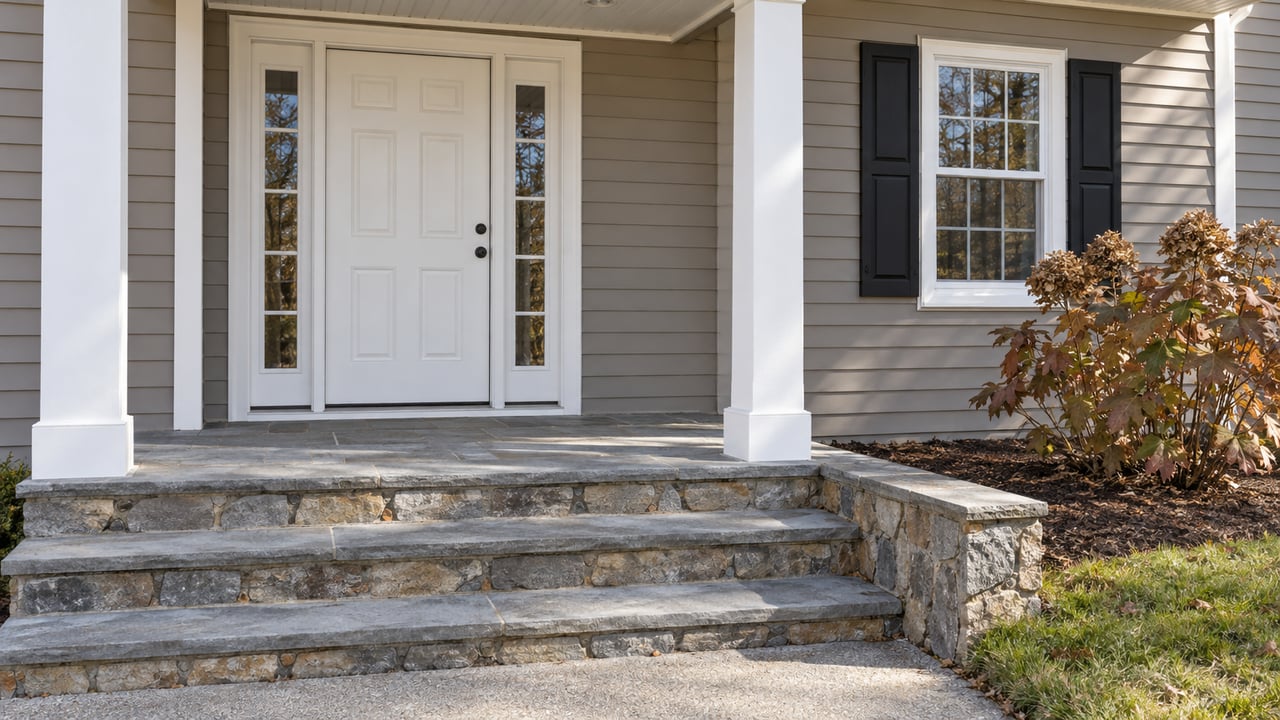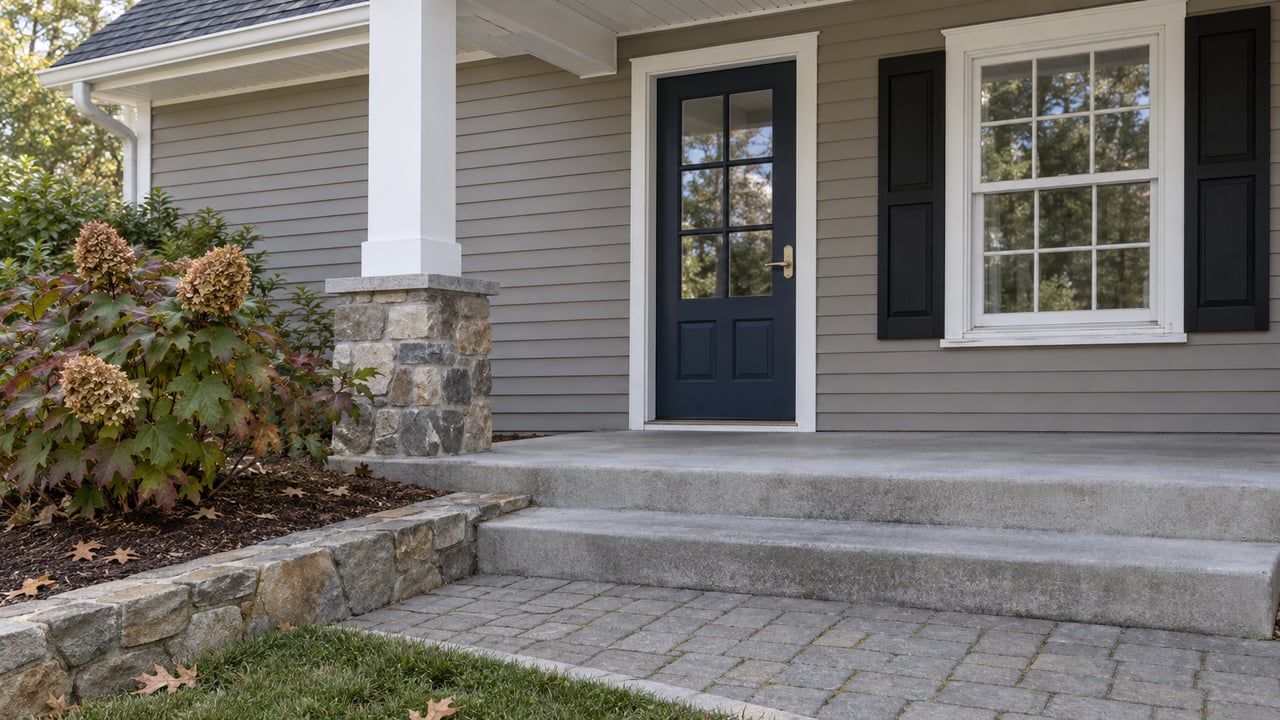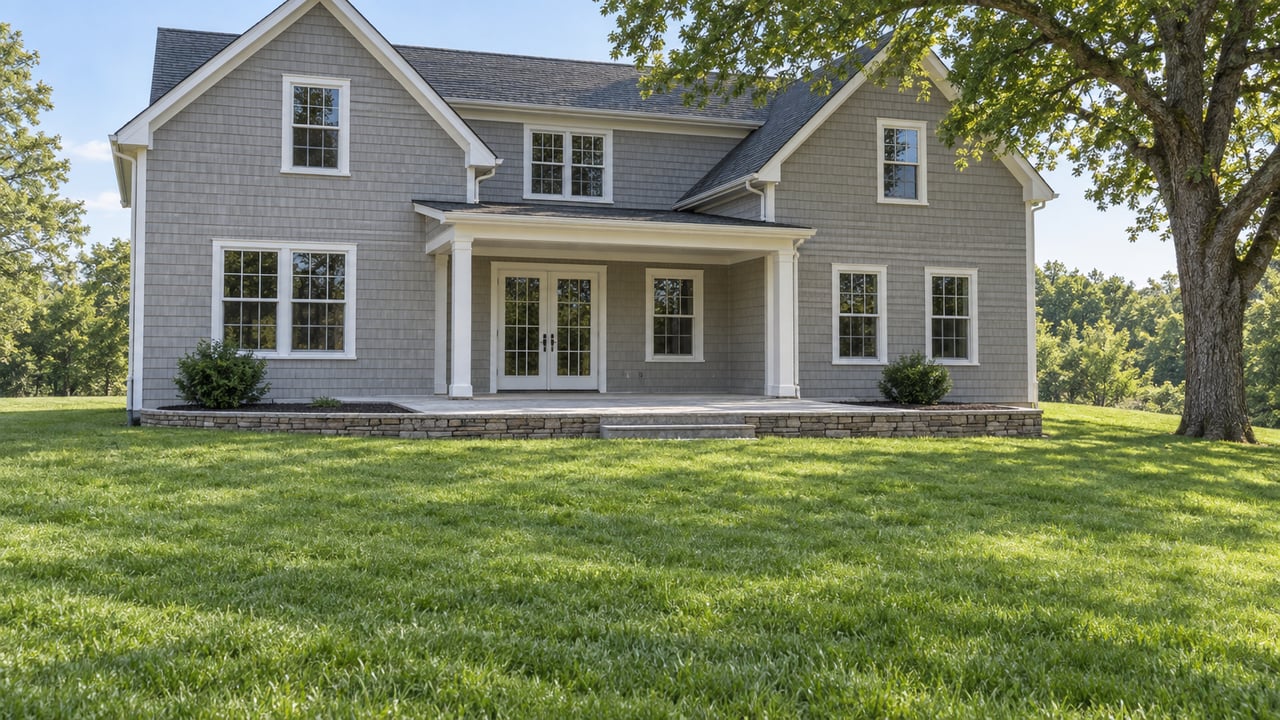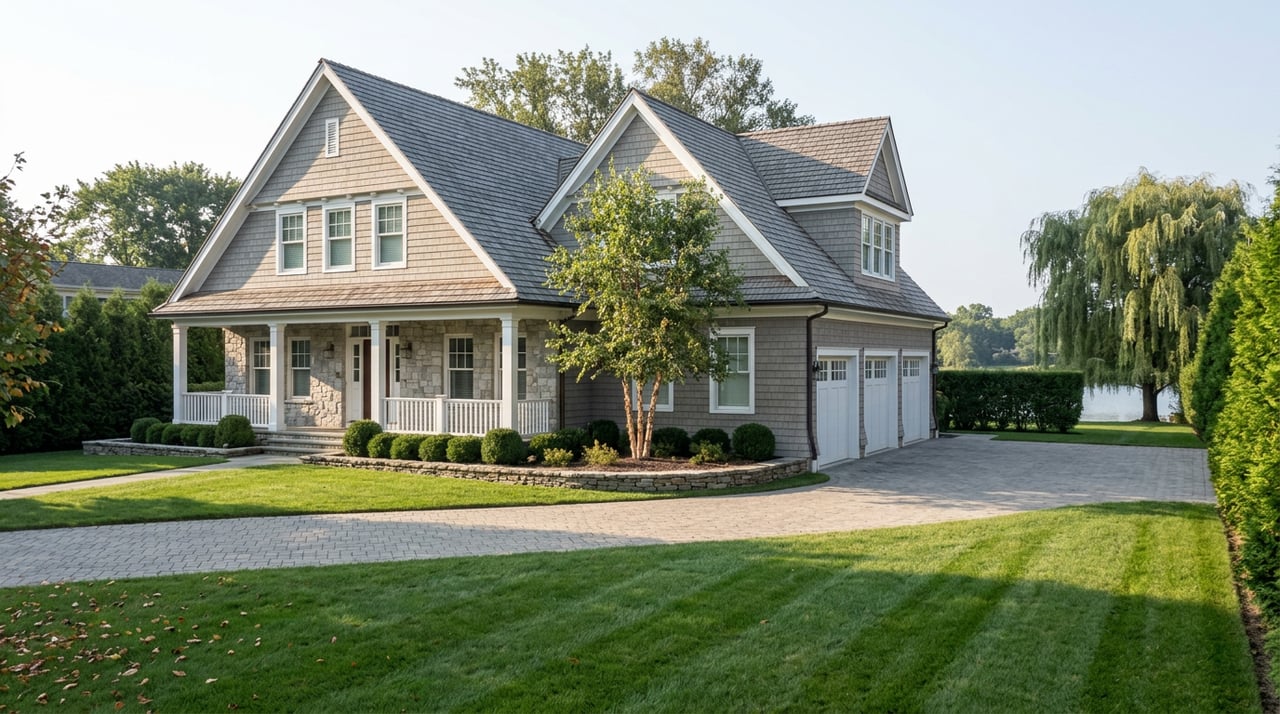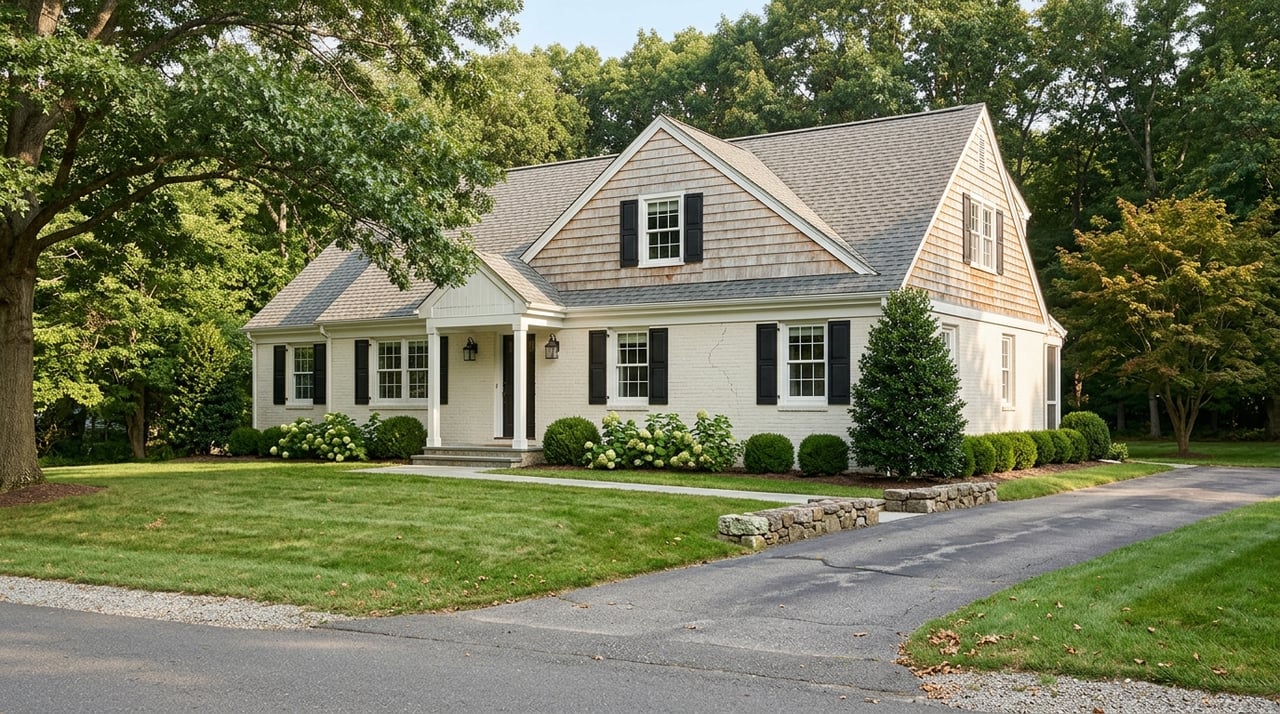
Wondering whether a newer home or an older home makes more sense in Huntingtown? It is a smart question, especially in a market where “newer” can mean one thing on paper and something very different in real life. If you are weighing space, systems, efficiency, and long-term upkeep, this guide will help you compare the tradeoffs that matter most in Huntingtown. Let’s dive in.
Huntingtown Homes Need Local Context
In Huntingtown, most homes are not condos, townhomes, or dense suburban infill. The housing stock is overwhelmingly made up of detached homes, with ACS estimates showing 99.0% of units are 1-unit detached and 92.6% are owner-occupied.
That matters because the newer-versus-older decision here is less about attached versus detached living and more about condition, lot layout, systems, and updates. You are often comparing one detached home to another, not two completely different housing styles.
What “Newer” Really Means in Huntingtown
If you picture brand-new subdivisions, Huntingtown may surprise you. Only 2.5% of housing units were built in 2020 or later, and 4.7% were built in 2010 through 2019.
At the same time, roughly 63% of the housing stock was built since 1990, including 28.1% from 2000 to 2009 and 27.7% from 1990 to 1999. So in Huntingtown, a home built in the late 1990s or early 2000s may still fall into the “newer” side of the conversation compared with much older housing.
Newer Homes Often Offer More Efficiency
One of the clearest advantages of newer construction is energy performance. ENERGY STAR states that certified new homes exceed minimum energy-code requirements by at least 10%.
The U.S. Department of Energy also reports that its Efficient New Homes can be 40% to 50% more energy-efficient than typical new homes. While not every newer home in Huntingtown will meet those specific standards, newer construction is generally where you are more likely to find modern efficiency features and more current building practices.
For you, that can translate into more consistent indoor comfort and potentially lower energy use. It can also mean fewer immediate upgrade projects after move-in.
Newer Homes Still May Have Well and Septic
A common mistake is assuming a newer home automatically comes with public water and sewer. In Huntingtown, that is not a safe assumption.
Calvert County states that Huntingtown Town Center is currently served by septic systems and wells, and there are no public water or sewer systems currently planned there. Countywide planning information also notes that many residents rely on private water systems, individual wells, and traditional septic systems.
That means a newer home may feel modern inside while still functioning much like an established rural or semi-rural property behind the scenes. If you are comparing homes, the utility setup deserves just as much attention as the kitchen finishes or floor plan.
Established Homes Are Often Larger Than Buyers Expect
Older homes in Huntingtown are not automatically smaller or less functional. Local housing data show a market full of larger homes, with 50.4% reporting 9 or more rooms, 40.1% reporting 4 bedrooms, and 19.6% reporting 5 or more bedrooms.
That is helpful if you want space but do not need brand-new construction. Many established homes can still deliver the room count and flexibility move-up buyers want, even if the finishes or systems are not fully updated.
Older Homes Can Offer Better Value-Add Potential
If you do not mind improving a home over time, an established property may open more possibilities. EPA notes that existing homes offer many opportunities for improvement, and whole-house retrofits can create meaningful energy savings while also improving comfort, health, and safety.
In practical terms, that can mean buying a solid home and updating key areas in phases. Kitchens, baths, windows, insulation, HVAC, and exterior finishes are often the kinds of projects that help older homes feel more current.
This is where a renovation-aware strategy matters. If the home has a good layout, a usable lot, and sound major systems, an older property may give you room to personalize without starting from scratch.
Lot Size and Layout Matter in Huntingtown
In many markets, newer homes often mean smaller lots and denser layouts. Huntingtown is a little different.
The Huntingtown Town Center Master Plan describes residential areas built primarily around single-family detached homes at moderate densities, often with one-third-acre or one-acre lots. It also describes neighborhood areas with small front setbacks, sidewalks, street trees, and relatively narrow roads in a grid pattern.
County information also states that townhouses are not permitted in the town center. So even when you look at newer development in Huntingtown, you are still more likely to see detached homes rather than high-density attached housing.
For you, that means the lot and streetscape differences may be subtler than in other suburban markets. Instead of asking only whether a home is newer or older, it is often smarter to ask how the lot feels, how the home sits on it, and how much privacy or usable outdoor space you want.
The Biggest Tradeoff Is Often Systems
In Huntingtown, the age of the home matters, but the age of the systems may matter even more. Because so many homes rely on wells and septic, due diligence around these systems is especially important.
When you compare homes, pay close attention to the age, condition, and replacement history of:
- Well components
- Septic system components
- HVAC equipment
- Roof
- Windows
- Insulation and air sealing
An older home with recently updated systems may be less risky than a newer-looking home with limited documentation. A pretty interior is helpful, but it should not distract from how the home actually operates.
Long-Term Value Depends on the Full Package
Huntingtown appears to be a stable, owner-driven market. ACS estimates show a median owner-occupied value of $589,900, and 68.4% of owner-occupied homes fall in the $500,000 to $999,999 range.
Calvert County’s planning framework also emphasizes preserving rural character while directing growth to designated areas, and Huntingtown is identified as one of the county’s minor town centers. That backdrop helps explain why long-term value here may depend less on chasing the newest build and more on choosing the right combination of lot, condition, systems, and updates.
If you are thinking long term, the strongest choice is often the home that fits your maintenance comfort level and future plans. In this market, that may be a newer home with efficiency features, or it may be an established home with a strong structure and thoughtful upgrades.
How To Choose Between Newer and Older
If you are trying to narrow your options, focus on the factors that matter most in Huntingtown:
Choose a newer home if you want
- More current finishes and layout choices
- Better odds of modern efficiency features
- Fewer near-term renovation projects
- A move-in-ready experience
Choose an older home if you want
- More flexibility to renovate over time
- A chance to improve value through updates
- A home that may already offer generous room counts
- More options if you are comfortable evaluating systems carefully
Compare both by asking
- Is the home on well and septic?
- How old are the major systems?
- What updates have already been completed?
- How much work do you realistically want to take on?
- Does the lot fit your lifestyle and privacy preferences?
- Do the efficiency features justify the price difference?
The Bottom Line for Huntingtown Buyers
In Huntingtown, newer homes and older homes have more in common than buyers often expect. Both are typically detached, both may sit on sizable lots, and both may rely on private utility systems.
That is why the better choice usually comes down to condition, efficiency, maintenance expectations, and renovation potential, not just the year built. When you evaluate homes through that lens, you can make a more confident decision and avoid paying for the wrong kind of “new.”
If you want help comparing properties with a practical eye for layout, updates, and long-term value, Erica Baker, LLC can help you sort through the details and find the right fit.
FAQs
How common are brand-new homes in Huntingtown?
- Brand-new homes are relatively uncommon in Huntingtown. ACS estimates show only 2.5% of housing units were built in 2020 or later, and 4.7% were built from 2010 to 2019.
Do newer homes in Huntingtown usually have public water and sewer?
- Not necessarily. Calvert County states that Huntingtown Town Center is currently served by wells and septic systems, with no public water or sewer currently planned there.
Are older homes in Huntingtown usually smaller than newer homes?
- No. Huntingtown has a large detached-home market, and many established homes are substantial in size, with 50.4% of homes reporting 9 or more rooms.
What should buyers compare besides the home’s age in Huntingtown?
- Buyers should compare lot size, setbacks, well and septic setup, the age of major systems, completed updates, renovation needs, and efficiency features.
Is a newer home always the better long-term choice in Huntingtown?
- No. In Huntingtown, long-term value may depend more on the overall package, including the lot, utility systems, condition, and level of updating, rather than just the year the home was built.