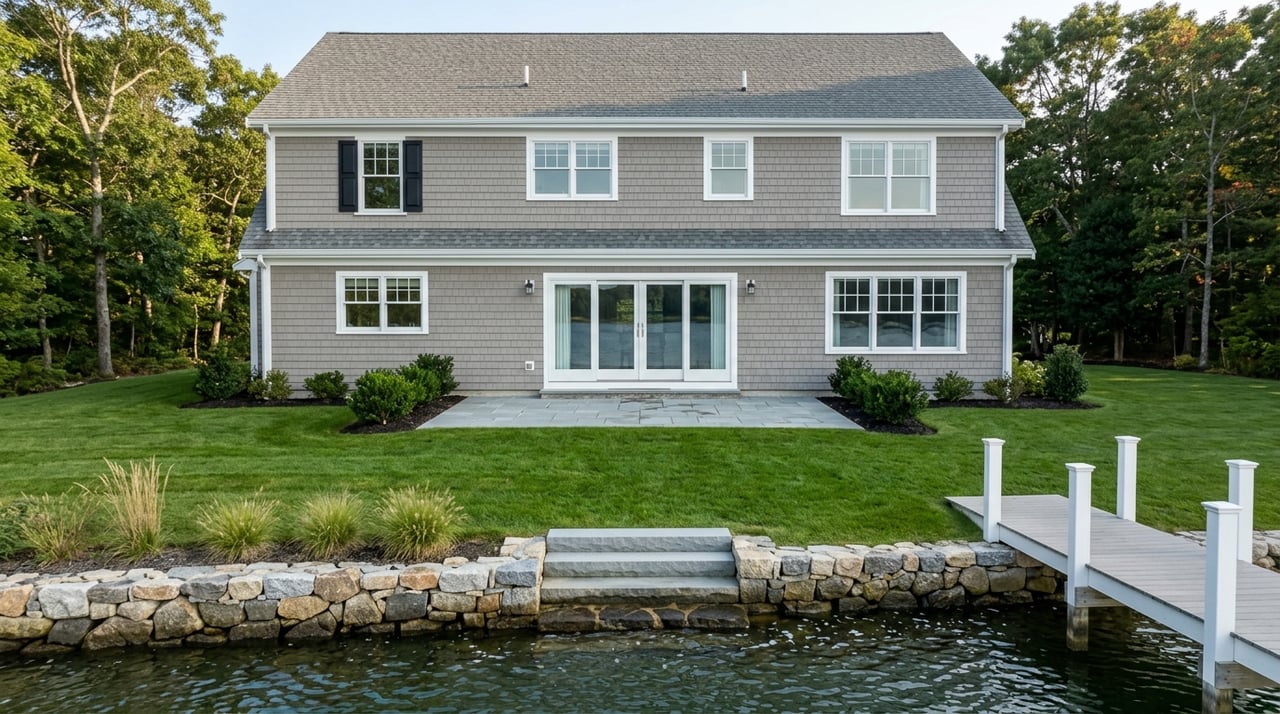
Choosing between waterfront and inland living in Stevensville sounds simple until you start weighing your real life against the view. You may love the idea of water at your back door, but you may also want an easier daily routine, less upkeep, or quicker access to local services. The good news is that both options can support a great Kent Island lifestyle, and the right fit usually comes down to how you want to live day to day. Let’s dive in.
Stevensville Living Starts With Lifestyle
Stevensville sits within Queen Anne’s County’s Chester/Stevensville growth area on Kent Island, where US 50/301 crosses the Chesapeake Bay Bridge and Route 18 works as the parallel local corridor. The county’s planning documents continue to treat this area as a major focus, and the Stevensville Village Center is described as a walkable, mixed-use area that supports both residents and visitors.
That setting gives you an important advantage as a buyer. You are not choosing between being connected and being isolated. You are choosing between two different ways to enjoy the same broader Chesapeake Bay setting.
Waterfront Living in Stevensville
Waterfront Means Direct Water Access
If you picture morning paddleboarding, spontaneous boat rides, or sunset views from your own property, waterfront living may be exactly what you want. In Queen Anne’s County, the shoreline is a major part of daily life, and the Upper Eastern Shore has extensive shoreline and public waterway access.
For many buyers, the biggest value of waterfront is convenience. If you use a boat, kayak, or paddleboard often, having the water right outside your door can make those activities feel natural instead of something that requires planning.
Waterfront Still Shares Public Access Context
It is also helpful to know that inland living does not mean giving up the water lifestyle. Queen Anne’s County manages 18 public landings, two fishing piers, and three marinas with 172 boat slips, and the Kent Island Water Trails guide covers six local water trails with access details and amenities.
That means the decision is often less about whether you can enjoy the water and more about how often you want to use it and how much convenience matters to you. If you plan to be on the water every week, waterfront may feel worth the premium and extra responsibility.
Waterfront Brings Views and Exposure
Waterfront lots often feel open and expansive. You may get broader views, more sky, and a stronger connection to shoreline activity.
At the same time, that openness can mean more visibility, more exposure to boat traffic, and less buffering than some inland settings. In Stevensville, this tradeoff is shaped in part by county Critical Area rules, which regulate land within 1,000 feet of tidal waters and include a minimum 100-foot buffer from mean high water.
Waterfront Ownership Often Needs More Planning
Waterfront homes usually require more due diligence than inland homes. Queen Anne’s County notes that many properties are prone to flooding from hurricanes, tropical storms, and heavy rain because of low-lying topography, high water tables, drainage issues, and runoff.
The county participates in the National Flood Insurance Program, and flood insurance is a separate policy. For you as a buyer, that means it is smart to look closely at floodplain conditions, insurance implications, and long-term ownership costs before you fall in love with a particular property.
Waterfront Maintenance Can Be Higher
Beyond insurance, waterfront homes often face more exterior wear. Coastal construction guidance from FEMA notes that salt spray and onshore winds can significantly speed up metal corrosion.
You may also need permits if you want to add or modify a pier, grade land, add fill, or install shore erosion controls in the Critical Area. So if you love customizing property, waterfront can still work well, but it often requires more planning and patience than buyers expect at first.
Inland Living in Stevensville
Inland Often Supports Easier Routines
If your ideal home base is less about direct shoreline access and more about a smooth daily rhythm, inland Stevensville may be the better fit. The county’s Stevensville Village Center plan highlights walkable streetscapes and a mix of uses that support everyday needs.
County transportation planning also connects the Village Center Core with parks, shopping, schools, the library, and job destinations. For many buyers, that kind of convenience matters just as much as a water view.
Inland Can Keep You Close to Services
Stevensville has practical local anchors that support everyday life. The Kent Island Branch library is located at 200 Library Circle, Kent Island High School is at 900 Love Point Road, and Matapeake Middle School is at 671 Romancoke Road.
For buyers who want errands, community resources, or regular destinations within a short drive, inland neighborhoods can feel more efficient. That does not make them better or worse than waterfront areas, but it can make them easier to live in on a busy schedule.
Inland Usually Reduces Shoreline-Specific Upkeep
Inland homes are generally less affected by shoreline buffers, erosion control considerations, and salt-spray wear. That can make ownership feel simpler, especially if you prefer a home that asks less of you over time.
Of course, every property is different. Still, compared with many waterfront parcels, inland homes are often less tied to Critical Area rules and shoreline-related maintenance concerns.
Inland Does Not Remove Kent Island Traffic Patterns
One thing inland buyers should keep in mind is that all of Kent Island shares the island’s broader access patterns. Queen Anne’s County says US 50/301 is the best and quickest route for through traffic to the Bay Bridge, and it asks drivers who are not heading to Route 18 to stay on US 50/301.
That matters because congestion on MD 18 affects emergency services, school operations, citizen mobility, and local businesses. MDOT also notes that Route 18 regularly bottlenecks the community from May through October, so access patterns should be part of your home search no matter which type of property you prefer.
Waterfront vs Inland: Key Differences
| Factor | Waterfront Living | Inland Living |
|---|---|---|
| Water access | Direct and immediate | Usually reached through public landings, marinas, and trails |
| Daily lifestyle | Best for frequent boating or paddling | Best for simpler routines and flexible access |
| Views and setting | Open water views are often a major draw | More buffered settings are common |
| Regulations | More likely to involve Critical Area review | Often fewer shoreline-specific restrictions |
| Maintenance | Typically more exposure to flood and salt-related wear | Often simpler ownership over time |
| Convenience | Lifestyle-first choice | Service and errand convenience may be easier |
Questions To Ask Before You Choose
How Often Will You Really Use The Water?
This is the most important question for many buyers. If you expect to boat, kayak, or paddle often, direct access may improve your quality of life enough to justify the tradeoffs.
If water use will be occasional, inland may give you a better balance. You can still enjoy the Chesapeake lifestyle through public access points without taking on full waterfront obligations.
Do You Want Private Access?
Some buyers care less about views and more about having their own dock or immediate launch point. If that is you, waterfront may be the clearer answer.
If public landings, marinas, and trails meet your needs, inland can offer more flexibility. The county’s existing network gives you meaningful access even without shoreline ownership.
Are You Comfortable With Extra Review?
Waterfront purchases often require a deeper look at floodplain issues, insurance needs, and permit restrictions. If you are comfortable with that process and want the lifestyle badly enough, it can be a worthwhile path.
If you would rather keep the decision simpler, inland may feel more manageable. For many buyers, peace of mind is part of the lifestyle equation too.
What Matters More Day To Day?
Try to picture a normal Tuesday instead of a perfect summer weekend. Do you care more about walking or driving easily to village services, parks, shopping, and community destinations, or do you care more about seeing the water every morning?
That honest answer usually points you in the right direction. The best home is not just the one that looks good on paper. It is the one that matches how you actually want to live.
A Smart Way To Approach Your Search
In Stevensville, waterfront and inland homes can both be strong choices. Waterfront often fits buyers who want direct access, views, and a more immersive Chesapeake experience, while inland often fits buyers who want convenience, easier upkeep, and access to the same lifestyle through shared public resources.
The key is not chasing a label. It is understanding which tradeoffs feel easy to you and which ones would become frustrating over time.
A thoughtful home search should compare not only price and appearance, but also routine, access, maintenance, and long-term comfort. That is where local guidance can make the decision much clearer.
If you’re weighing waterfront versus inland living in Stevensville and want tailored guidance on the right fit for your lifestyle, connect with Erica Baker, LLC.
FAQs
What is the main benefit of waterfront living in Stevensville?
- The main benefit of waterfront living in Stevensville is direct access to the water for boating, kayaking, paddleboarding, and enjoying open views without needing to drive to a landing or marina.
What is the main benefit of inland living in Stevensville?
- The main benefit of inland living in Stevensville is often a simpler day-to-day routine with easier access to village services, community destinations, and fewer shoreline-specific maintenance concerns.
Can inland homeowners still enjoy boating in Stevensville?
- Yes. Queen Anne’s County manages public landings, fishing piers, and marinas, and local water trails provide additional access points for enjoying the Chesapeake lifestyle.
Do waterfront homes in Stevensville have more regulations?
- They often can, especially if the property is within the county’s Critical Area near tidal waters, where permits may be required for certain shoreline or land changes.
Does living inland avoid Kent Island traffic issues?
- No. Inland buyers still live within Kent Island’s broader traffic patterns, including seasonal congestion on MD 18 and travel flow tied to US 50/301 and the Bay Bridge.