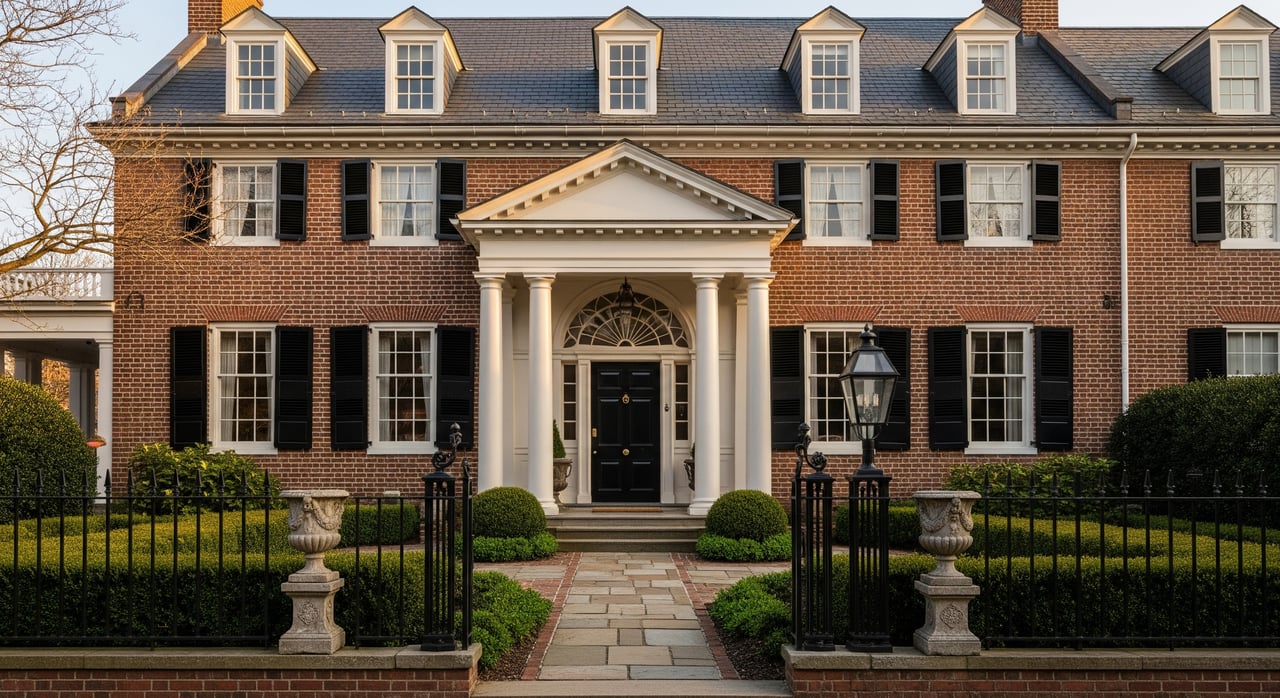
Love the look of brick townhouses, graceful fanlights, or wraparound porches you see in downtown Annapolis? If you’re drawn to the Historic District, you’re not alone. Owning a historic home can be deeply rewarding, but the styles, floor plans, and preservation rules are unique. In this guide, you’ll learn how to spot the main local styles, what those features mean for daily living and renovation plans, and where to find trusted resources before you buy. Let’s dive in.
Why historic Annapolis feels special
Annapolis grew quickly in the 18th and early 19th centuries as a colonial port and state capital, which left a tight-knit core of 1700s and 1800s buildings near the harbor and downtown. You’ll find well-preserved Georgian and Federal architecture alongside later Victorian and early 20th‑century Colonial Revival homes. That layered history creates blocks where formal brick façades neighbor ornate porches and gambrel roofs. If you value character and craftsmanship, this variety is part of the city’s everyday charm.
How preservation works in the Historic District
If a property sits inside the Annapolis Historic District, exterior changes that are visible from the street usually need design review and approval. Contact the city’s preservation staff early if you plan any exterior work. You can find permit guidance and application steps on the City’s Historic Preservation pages. State and national inventories often document a home’s “period of significance” and character-defining features, and the Maryland Historical Trust and the National Park Service’s National Register of Historic Places are good starting points.
Annapolis’s signature home styles
Georgian (c. 1700s to late 18th century)
Georgian homes are known for symmetry. Look for five-bay fronts with a centered door, brick or clapboard exteriors, paneled entries with transoms, and small-pane double-hung windows aligned in neat rows. Roofs are moderate in pitch, often side-gabled with minimal exterior ornament.
Inside, you’ll often find a center-hall plan with formal rooms on either side, taller ceilings for the period, and fireplaces as focal points. Original wainscot and moldings are common. If you plan updates, prioritize masonry repairs that match historic mortar, and consider repairing original windows rather than replacing them. Mechanical upgrades should route discreetly to protect visible elevations and historic fabric.
Federal (c. 1780 to 1830)
Federal-style homes refine the Georgian look with lighter details. You’ll see elliptical or semicircular fanlights, slender sidelights, and delicate trim around the entry, plus low-profile cornices and taller windows. Brick is typical, and you may spot occasional Palladian window groupings.
Interiors maintain the center hall but often feature more elegant trim, plasterwork, and sometimes a curved staircase. When renovating, preserve delicate door surrounds, fanlights, and ornamental plaster if present. Plan for tight clearances when upgrading HVAC; staircases and narrow halls can limit equipment access.
Victorian (c. 1837 to 1900)
Victorian homes are more eclectic and expressive. Subtypes include Italianate with wide eaves and brackets, Second Empire with mansard roofs and dormers, Queen Anne with textured shingles, bay windows, and wraparound porches, and Gothic Revival with pointed arches and decorative bargeboards.
Inside, layouts feel less formal and more varied, with bay projections and nooks that change circulation. Expect smaller interconnected rooms rather than open plans. When restoring, match profiles and materials on decorative woodwork and porches. Paint color choices and trim details can significantly affect the look and may be part of design review.
Colonial Revival (c. 1880s to mid‑20th century)
Colonial Revival brings back earlier motifs with modern convenience. You’ll notice balanced façades, classical columns, pedimented entries, and multi-pane windows. Some versions include gambrel roofs associated with Dutch Colonial Revival.
Floor plans are more modernized than true colonial layouts, with larger kitchens and service areas. These homes may already have later systems, but mid‑century wiring or plumbing can still require updating. Keep exterior alterations consistent with period-appropriate details to maintain integrity.
How style affects daily living
Floor plan and flow
Many historic homes were designed with smaller, separated rooms and narrower halls and stairs. Kitchens and bathrooms were added or expanded later, so sizes and placements vary. Attic and basement access can be tight, which affects storage and where you can place mechanical systems. Before you fall in love, check that the layout matches your routine or that reconfigurations are feasible under preservation rules.
Maintenance and upgrades
Historic homes reward ongoing care. Roofing, flashing, window repair, masonry repointing, and porch or trim maintenance are recurring needs. If you’re improving comfort and efficiency, consider sensitive strategies like interior storm windows, high-efficiency mini-splits to minimize ductwork, and blown-in attic insulation where appropriate. Electrical systems may need full replacement, and older materials can require specialized contractors.
Hazards to plan for
Older properties can include lead-based paint, knob‑and‑tube wiring, or asbestos in some materials. Budget for testing and safe remediation. Because many Annapolis neighborhoods are near tidal waterways, review FEMA flood zones and insurance costs early in your decision-making.
Rules, easements, and approvals
Design review in the Historic District often covers materials, colors, and the scale of visible additions. Some homes may also have preservation easements or private covenants that govern alterations. Title review and seller disclosures can surface these early. For official guidance on process and timelines, start with the City’s Historic Preservation resources. For technical standards and best practices, the National Park Service’s Standards and Guidelines and the Maryland Historical Trust offer helpful briefs and program information.
Value, resale, and timing
Historic character is a strong draw in Annapolis, which supports long-term value when features are preserved. The tradeoffs include higher maintenance and more deliberate renovation timelines. If you approach improvements with authenticity and planning, you tend to protect both the home’s appeal and its market position.
Local resources and who to call
- City of Annapolis — design review and permits: Check the city’s Historic Preservation pages for applications, guidelines, and staff contacts.
- Maryland Historical Trust: Visit the MHT for style guides, technical briefs, and information on state preservation programs.
- National Park Service: Explore the National Register of Historic Places and the Standards and Guidelines for rehabilitation principles.
- Historic Annapolis, Inc.: Find local history, education, and tours through Historic Annapolis.
Buyer inspection checklist
Use this quick list during showings and inspections:
- Roof and drainage: age, flashing, gutters, downspouts, and dormer details.
- Foundation and moisture: settlement, water intrusion, and repointing needs.
- Masonry: brick condition, mortar type, and evidence of incompatible cement mortar.
- Wood elements: siding, trim, and porches for rot, insects, and paint condition.
- Chimneys: leaning, cracked flues, and crown condition.
- Electrical: knob‑and‑tube, panel capacity, and overall service adequacy.
- Plumbing: galvanized or lead lines, leak history, and sewer lateral condition.
- HVAC: equipment age, duct routing, and space for upgrades.
- Energy: attic insulation depth and presence of interior storm windows.
- Hazardous materials: testing plans for lead paint and potential asbestos.
- Historic features: windows, doors, mantels, moldings, and flooring—confirm what’s original.
- Alterations and additions: assess integrity and any large past changes.
- Easements and approvals: preservation easements, prior certificates of approval, and permit history.
Renovation tips that respect history
- Start with documentation. Ask for previous permits, approvals, and any structural reports.
- Align scope with standards. Use the NPS Standards and Guidelines as a planning baseline.
- Build the right team. Seek architects and contractors with historic-building experience.
- Phase work with review timelines. Incorporate design-review lead time into your budget and schedule.
- Protect character-defining elements. Doors, windows, fanlights, porches, and masonry details often anchor a home’s value.
Ready to explore historic homes or plan a respectful renovation roadmap? Reach out for advice that blends market insight with practical, preservation‑minded guidance. Connect with Unknown Company to start a conversation.
FAQs
What makes a home “historic” in Annapolis?
- A home is typically considered historic if it is located within the Annapolis Historic District or is individually recognized for its significance. The city’s Historic Preservation resources and the National Register provide documentation guidelines.
Do I need approval for exterior changes on a historic home?
- If work is visible from the street and your home is in the Historic District, design review is usually required. Check process details with the City’s Historic Preservation office.
Can I replace original windows in a Georgian or Federal home?
- Original windows are often character-defining, and repair is usually preferred. Replacements can trigger review, so consult the city and the Maryland Historical Trust for guidance.
How do Victorian home layouts affect remodeling plans?
- Victorian interiors can be irregular, with bays and nooks. Plan updates that respect those elements and expect to uncover layers of past changes during restoration.
Are there incentives for historic rehabilitation in Maryland?
- Yes. State and federal programs may apply to qualifying projects, especially for income-producing properties. The Maryland Historical Trust can clarify eligibility and current programs.
Where can I find standards for sensitive renovations?
- Use the National Park Service Standards and Guidelines and seek city guidance to align your project with local review expectations.