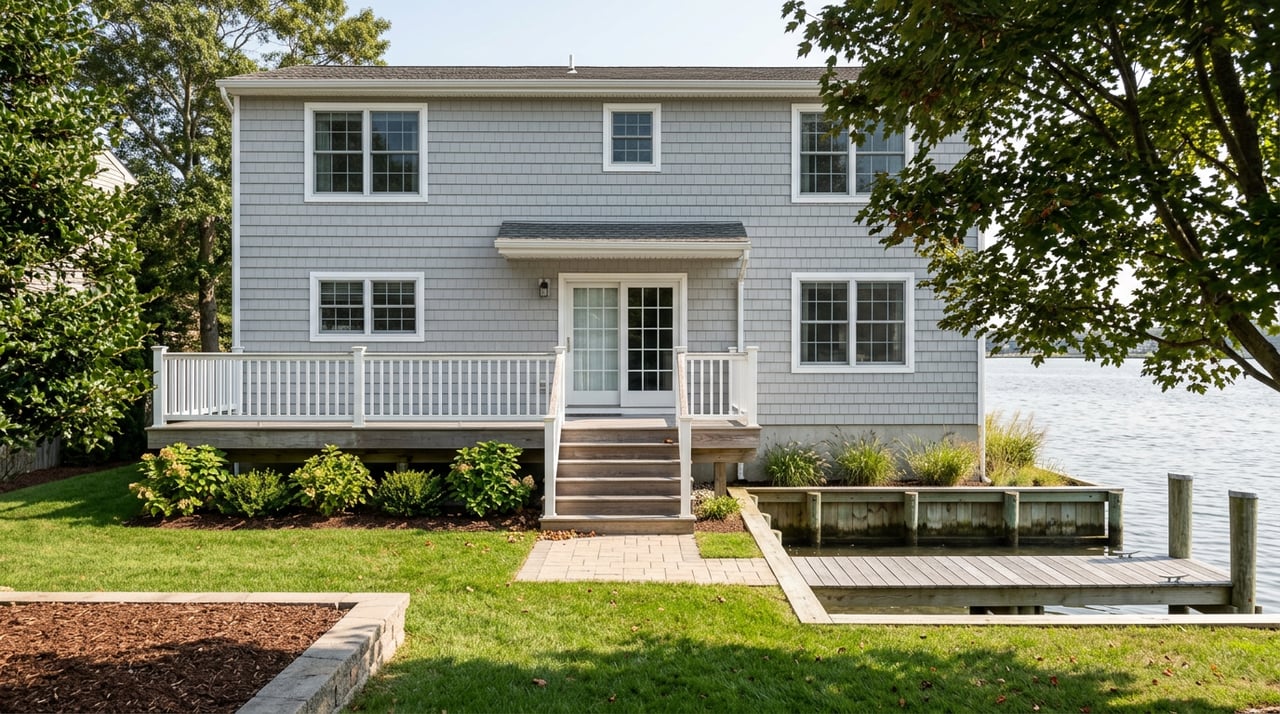
You want the water in your backyard, but you also want to buy with confidence. Edgewater’s waterfront market moves fast, and the smartest buyers look beyond the view to permits, elevation, shoreline condition, and access. In this guide, you’ll learn how to evaluate piers, plan for flood insurance, understand county rules, and structure a clean offer. Let’s dive in.
Edgewater waterfront market basics
Waterfront homes in Edgewater sit within a tight, premium segment. While the broader ZIP 21037 market trends in the mid six figures, true private-waterfront properties often trade higher due to limited inventory and boating amenities. Expect fewer listings and more seasonal activity in spring and summer.
Values hinge on functional water access, permitted improvements, and the home’s position along the South River and nearby coves. If you want a boat in your yard, budget for a premium and move quickly when the right property appears.
What drives value on the water
- Water depth at mean low water (MLW) and channel access time to the South River or Chesapeake Bay.
- A permitted private pier, number of slips, and lift capacity that match your boat plan.
- Linear water frontage and usable yard area for outdoor living.
- Shoreline type and condition, including bulkhead integrity or living-shoreline stability.
- Flood-zone designation and elevation certificate, which influence insurance and lending.
- Community amenities such as a marina, pool, beach, or staffed gate, as found in select neighborhoods like South River Landing.
Permits and property rights you must verify
State pier rules set the baseline
Maryland sets technical limits for private noncommercial piers, platforms, and mooring piles. These standards determine whether a simple pier qualifies for an expedited or exempt license, or whether a full license is required. Review the regulation and ask for the pier’s exact permit type when you make an offer. See Maryland’s pier standards in COMAR for details on width, platform area, and wetland protections. Review Maryland’s pier regulations in COMAR.
County permits confirm legality
Anne Arundel County requires permits for piers, bulkheads, and shoreline stabilization. Many applications run through the Land Use Navigator system. Before you rely on a dock’s features or value, pull the county permit record and any state license to confirm the structure is legal and current. Check Anne Arundel County’s pier and bulkhead permit page.
Critical Area rules shape future projects
Much of Edgewater’s waterfront lies within Maryland’s Chesapeake Bay Critical Area, which adds buffers and limits on impervious surfaces. These rules can affect where you place additions, driveways, and new shoreline work. Ask whether the parcel is mapped in the Critical Area and request the county’s worksheet during due diligence. Learn about Maryland’s Critical Area program.
Flood zones, elevation, and insurance
Start with maps and quotes
Always check the FEMA Flood Map Service Center for the specific address, then obtain a property-specific flood insurance quote early in your process. Under Risk Rating 2.0, NFIP premiums factor in elevation, proximity to water, and frequency, so pricing is more individualized than in the past. Lenders will require flood insurance when a loan is secured by a property in a Special Flood Hazard Area. Search FEMA flood maps by address. Learn more about FEMA’s Risk Rating 2.0.
Elevation certificates and LOMAs
Request any existing Elevation Certificate and the seller’s flood insurance history. If the structure sits above Base Flood Elevation, the certificate can reduce premiums. If the map appears inconsistent with surveyed elevation, a Letter of Map Amendment can sometimes adjust the requirement, though it is a federal process and takes time. Ask whether an NFIP policy can be assumed to avoid waiting periods or resets.
Quick steps to stay ahead
- Get an NFIP and a private-market flood quote before you finalize your offer.
- Budget for a new Elevation Certificate if one is not available.
- Confirm lender timing for proof of insurance and any escrow requirements.
Shorelines, docks, and inspections
Shoreline type affects cost and permitting
Hardened shorelines such as bulkheads, seawalls, and riprap require periodic repair and often more involved permits for replacement. Maryland and Anne Arundel County encourage living shorelines when feasible, and local programs can help. Explore best-practice guidance on living shorelines from Maryland DNR, and review Anne Arundel County watershed restoration grants if you anticipate resilience work.
Who to hire for specialized inspections
A standard home inspection is not enough for waterfront. Add:
- A marine contractor or engineer to evaluate pier pilings, decking, lifts, and mooring.
- A geotechnical or structural specialist to assess bulkheads, tiebacks, drainage, and riprap.
- A licensed electrician to check dock power and safety.
- A septic inspection if not on public sewer, plus a pump and permit review.
- A shoreline stability and erosion review that considers long-term resilience.
Anne Arundel County also maintains homeowner resources on waterfront care and resilience through its environmental services pages.
Utilities checklist: sewer vs. septic
Edgewater addresses vary by neighborhood. Some waterfront homes connect to county sewer and others use private septic. Confirm service and any connection requirements by parcel through county resources. Start with Anne Arundel County services and ask your title company and lender to verify during contingencies.
Financing, appraisal, and timing
Plan for jumbo financing
The 2026 baseline conforming loan limit for a single-unit home is about 832,750 in most counties. Many waterfront purchases exceed this threshold and require jumbo financing with stricter underwriting. Engage your lender early and get fully underwritten pre-approval. Check current Fannie Mae loan limits.
Use the right comps for appraisal
Waterfront value depends on features like MLW depth, pier permits, number of slips, lift capacity, and shoreline condition. Provide the appraiser with the pier’s permit documents, any elevation certificate, recent shoreline invoices, and relevant community information. Local Chesapeake Bay appraisers are best equipped to select and adjust waterfront comps. See the Appraisal Institute’s guidance for specialized valuation.
Insurance and escrow at closing
Most lenders require proof of flood insurance prior to closing, and policy transfers or private binders can take coordination. Build adequate time into your contract for final insurance binders and escrow setup so your closing stays on track.
A focused due diligence checklist
Documents to request with your offer or during contingencies:
- Full permit history for the pier, bulkhead, and any dredging, including county permit numbers and any state license. Verify through Anne Arundel County’s permit page.
- Flood records, any Elevation Certificate, and the seller’s flood insurance history. Confirm flood maps at FEMA.
- Title review for riparian rights, recorded easements, or community-pier covenants.
- Dock and bulkhead inspection reports and contractor invoices, including dates and permits.
- Septic permits or a recent pump and inspection report, or written confirmation of public sewer connection eligibility. Use Anne Arundel County services as a starting point.
- HOA documents that govern docks, slips, and shared-maintenance responsibilities, if applicable.
Specialist inspections to schedule:
- General home and septic inspections, marine contractor or engineer for the pier, structural review for bulkheads or riprap, and a local appraiser with Chesapeake Bay waterfront experience. Obtain a property-specific flood quote before removing contingencies.
Lifestyle and neighborhood context
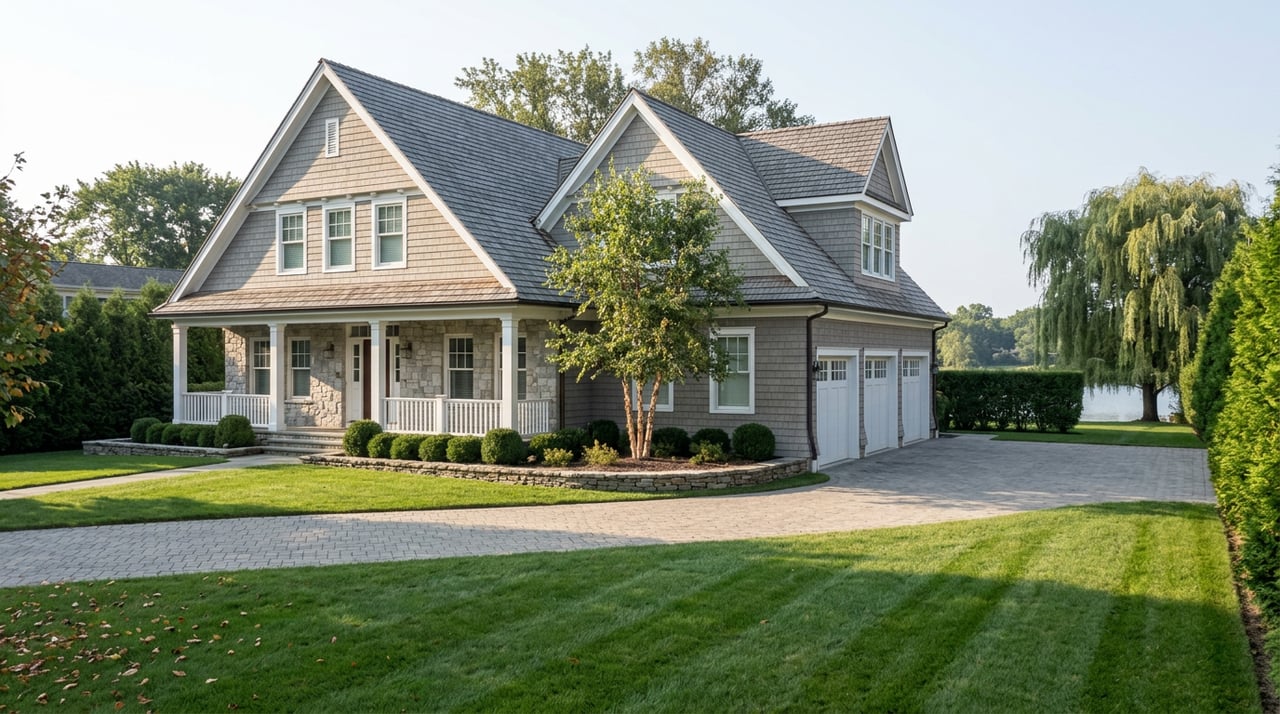
Edgewater is prized for South River access, a relaxed boating culture, and community amenities. If a property does not have a private pier, local marinas and neighborhood facilities can fill the gap while you plan future shoreline work. Families often look at the South River school cluster for planning purposes, and assignments can vary by address, so confirm current maps with the county at closing.
Smart questions to ask at showings
- Is the dock or pier permitted, and can you share the permit numbers and as-built plans?
- What is the measured water depth at the dock at mean low water, and has the channel been dredged?
- Are riparian rights, easements, or community-pier covenants recorded on title?
- What is the current flood zone, and can the seller provide an Elevation Certificate and recent flood premium history?
- Is the shoreline a bulkhead, riprap, or living shoreline, and were recent repairs permitted?
- Is the property on public sewer or septic, and is there a recent county inspection or pump report?
- Are there HOA rules or fees that govern docks, slips, or boat storage, and who maintains common piers?
Buying waterfront in Edgewater is about more than a stunning view. When you focus on permits, elevation, shoreline integrity, and access, you protect your investment and your lifestyle. If you want a seasoned, renovation-savvy advisor to help you evaluate value drivers and navigate county and state rules, reach out to Erica Baker for local guidance aligned with your goals.
FAQs
What should I look for in an Edgewater pier inspection?
- Hire a marine contractor or engineer to assess pilings, decking, fasteners, lifts, and electrical, and ask for permit records to confirm the structure is legal.
Do I need a permit to repair a dock in Anne Arundel County?
- Most pier, bulkhead, and shoreline work requires county permits, and some projects also need a state license, so verify scope on the county pier and bulkhead permit page.
How do flood zones affect Edgewater waterfront insurance costs?
- Lenders require flood insurance for homes in Special Flood Hazard Areas, and premiums under Risk Rating 2.0 depend on property-specific factors, so check the FEMA map and get quotes early.
What is a living shoreline and why might it be preferred?
- A living shoreline uses natural features like plants and sand to reduce erosion, and it is encouraged by the state; see Maryland DNR guidance for benefits and methods.
Are grants available for shoreline resilience in Edgewater?
- Some projects may qualify for county or partner funding; review Anne Arundel County’s watershed restoration grants and speak with BWPR early.
Will I need a jumbo loan to buy a waterfront home?
- Many waterfront purchases exceed conforming loan limits and require jumbo financing; check Fannie Mae’s current limits and consult your lender early.