Thinking about trading a larger suburban home for a simpler life closer to the water, restaurants, and daily conveniences? If you are downsizing in Annapolis, that move can bring a real lifestyle upgrade, but it also comes with choices about location, home style, parking, historic rules, and flood risk. This guide will help you compare suburban living with downtown Annapolis so you can make a smart, confident transition. Let’s dive in.
Why downsizers look to Annapolis
Annapolis stands out because it offers something many smaller cities cannot: a compact, amenity-rich core with a strong sense of place. According to the City of Annapolis business district guide, Historic Downtown is the city center and includes historic homes, brick streets, boutiques, sidewalk cafes, harbor views, government offices, and the Naval Academy, all within a one-square-mile National Historic Landmark district.
That setup can be especially appealing when your priorities shift from square footage to convenience. Instead of maintaining a large yard or multiple unused rooms, you may be looking for easier daily living, shorter trips, and a home that fits the way you live now.
The local numbers support that interest. The U.S. Census Bureau QuickFacts for Annapolis show that 20.4% of city residents are age 65 or older. The same source reports a median owner-occupied home value of $548,900 in Annapolis, compared with $467,900 in Anne Arundel County, which suggests that many buyers are paying more for in-town location, convenience, and walkability.
Downtown vs suburban living
Downsizing is rarely just about moving into a smaller home. In Annapolis, it is often a shift from a more space-oriented suburban lifestyle to a more convenience-oriented in-town lifestyle.
In suburban areas around Annapolis, you may be used to easier parking, fewer renovation restrictions, and more interior and exterior space. That setup works well if you still want a larger footprint or are not ready to give up a more car-dependent routine.
Downtown Annapolis offers a different kind of value. You may be able to walk to restaurants, shops, waterfront areas, and community destinations, while also relying less on driving for everyday errands and entertainment.
What downtown Annapolis offers
The biggest draw of downtown living is access. The city notes that residents and visitors can use a free downtown shuttle, free trolley service, on-demand transit, and water taxi options, which can support a lower-driving lifestyle.
If your goal is to simplify, that matters. Fewer car trips can mean less stress, fewer logistics, and more freedom to enjoy the city on foot or with a short ride.
Visit Annapolis also describes the downtown area, including Main Street, City Dock, State Circle, Maryland Avenue, and nearby Eastport, as highly walkable. That makes Annapolis especially attractive if you want to stay active and connected without relying on a large property or long drives.
Best Annapolis areas for downsizers
Not every downsizer wants the same thing. Some want the energy of the harbor, while others want a little breathing room with easy access to the core.
Historic Downtown and City Dock
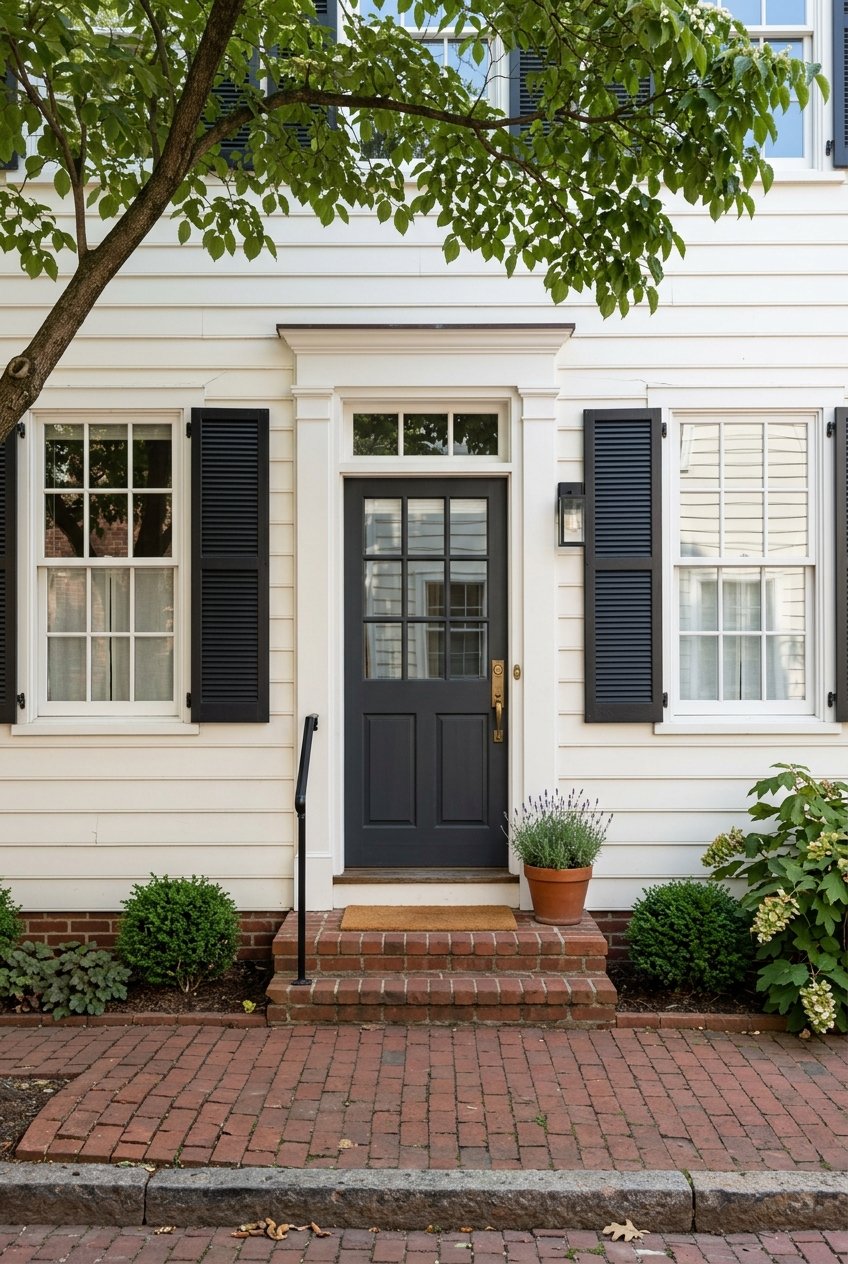
If you want to be close to shops, dining, harbor views, and civic landmarks, Historic Downtown and the City Dock area are often the clearest fit. The City of Annapolis describes this area as the heart of the city, with historic homes, brick streets, boutiques, and cafes.
This area may appeal to you if you want a smaller residence and a true walkable lifestyle. It is often a good match for buyers who value experience and access more than extra square footage.
Eastport
Eastport offers a strong maritime feel with close ties to downtown. According to Visit Annapolis, you can reach Eastport from City Dock by a short water taxi ride or a walk over the Spa Creek Bridge.
This can be a great option if you want water-oriented surroundings and dining access while still staying connected to downtown Annapolis. For many downsizers, it strikes a useful balance between charm, views, and convenience.
Inner West Street
If you want an active dining and arts scene, Inner West Street deserves a look. Visit Annapolis says the Arts District on West Street includes dozens of restaurants, galleries, music venues, monthly events, and parking garages.
This area may suit you if you want an in-town lifestyle without focusing entirely on the historic waterfront core. It can also work well if you want nearby parking and easy access to entertainment.
Forest Drive
Forest Drive can be a practical middle ground. The city describes it as a corridor that blends urban and suburban character, which makes it useful for buyers who want some convenience without going fully into a dense downtown setting.
If you are not ready to part with every suburban comfort, this area may offer a softer transition. It can be a smart choice if you still want a car-friendly routine but also want easier access to city amenities.
Trade-offs to weigh before you move
A good downsizing decision is usually about fit, not just appeal. Annapolis has real advantages, but you should go in with a clear view of the trade-offs.
Parking and access
Parking is one of the biggest adjustments for buyers moving from the suburbs into town. The city explains that historic-district parking includes garages, lots, monthly permits, and residential reservations, and it also notes that loading zones and deliveries can create access challenges on downtown streets.
That does not mean downtown living is impractical. It simply means you should understand exactly how parking works for the property you are considering before you buy.
Historic-home rules
Older homes can be part of Annapolis’s appeal, but they can also come with more oversight. The city’s Historic Preservation Division reviews exterior changes within the Historic District and administers a tax-credit program for qualified work.
If you love the character of an older property, that may be worth it. Still, you will want to know early whether exterior updates, repairs, or future improvements could require review.
Flood risk and due diligence
Waterfront charm and low-lying streets are part of downtown Annapolis, but flood risk should always be part of the conversation. The city states that special flood hazard areas exist within Annapolis, and its City Dock plans include flood protection improvements, an elevated green park, a waterfront promenade, and a new pump station for storm drainage.
This is not a reason to avoid downtown. It is a reason to do careful due diligence, especially if you are considering property near the waterfront or in lower-lying sections of town.
How to downsize with less stress
The smoothest downsizing moves usually start well before you list, buy, or pack. A clear plan helps you avoid bringing suburban-scale habits into a home that is meant to simplify your life.
Start with the basics:
- Sort your belongings room by room
- Sell or donate what will not fit your next space
- Measure furniture before you move or buy replacements
- Decide early if you want first-floor living, elevator access, guest space, or dedicated storage
- Think about whether you want a lock-and-leave lifestyle or room for frequent visitors
In Annapolis, it also helps to verify a few local details right away:
- Whether the property is in the Historic District
- Whether it is in or near a floodplain
- How parking is assigned, permitted, or reserved
- Whether planned exterior changes could trigger historic review
- Whether qualified preservation or safety improvements may fit the city’s tax-credit guidelines
Signs downtown living may fit you
You may be ready for downtown Annapolis if you want your home to support your lifestyle instead of consuming your time. For many downsizers, that means less maintenance, fewer unused rooms, and more access to the things they actually enjoy.
You may also be a strong fit for in-town living if you value walkability, dining, arts, waterfront access, and transportation options over a large yard or extra storage. Annapolis offers several ways to make that transition, whether you are drawn to Historic Downtown, Eastport, West Street, or a transitional area like Forest Drive.
The right move is not about shrinking your life. It is about aligning your next home with the way you want to live now.
If you are considering a move from the suburbs to downtown Annapolis, Erica Baker can help you compare neighborhoods, weigh trade-offs, and plan a downsizing move that feels thoughtful from start to finish.
FAQs
Is downtown Annapolis walkable enough for downsizers?
- Yes. The City of Annapolis and Visit Annapolis describe Historic Downtown, Main Street, City Dock, and nearby areas as highly walkable, with transit and water taxi options that can reduce how much you rely on a car.
What Annapolis neighborhoods are often good for downsizing?
- Historic Downtown, Eastport, Inner West Street, and Forest Drive each offer a different mix of walkability, access, parking, and housing style for downsizers.
Do historic homes in Annapolis come with extra rules?
- Yes. In the Historic District, exterior changes are reviewed by the City of Annapolis Historic Preservation Division, and some qualified work may be eligible for tax credits.
Should flood risk matter when moving to downtown Annapolis?
- Yes. The city identifies special flood hazard areas, so it is smart to review floodplain information early when considering lower-lying or waterfront-adjacent properties.
How can you make downsizing in Annapolis easier?
- Start by reducing what you own, measuring what you plan to keep, and confirming practical details like parking, storage, floodplain status, and historic-district rules before you commit to a home.